
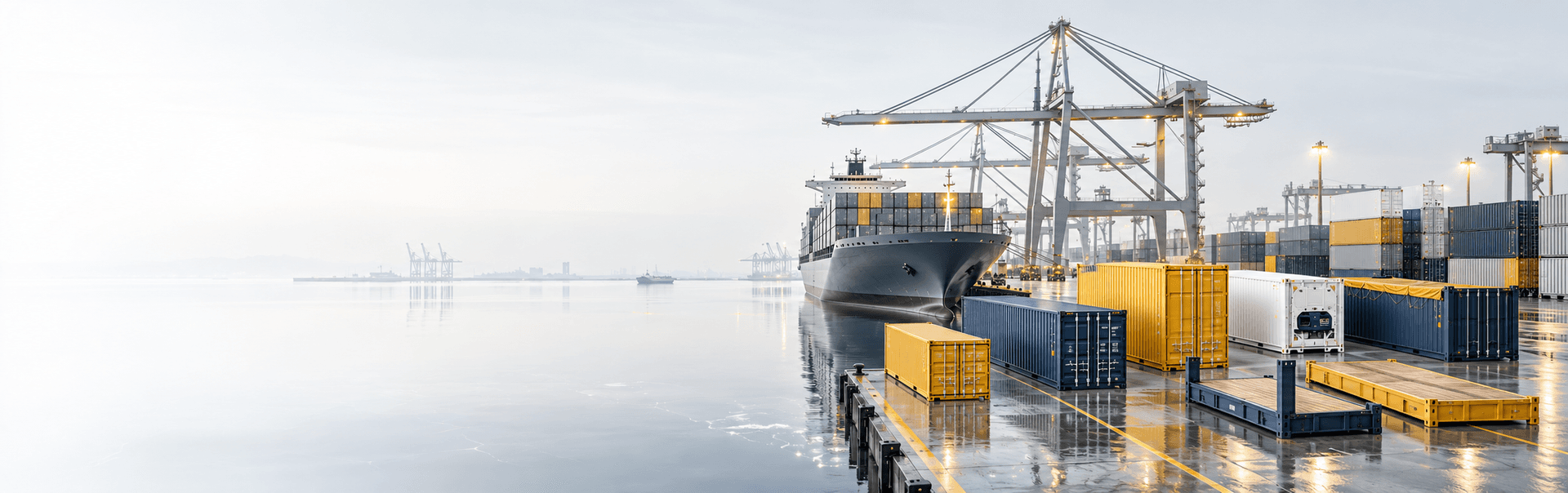
Types & Sizes of Sea Containers
Explore the container types used in sea freight and learn about their internal and external dimensions, loading capacity, and door measurements to choose the most suitable container for your goods..
Selected Container:
20 ft. Standard Container
20 Standard
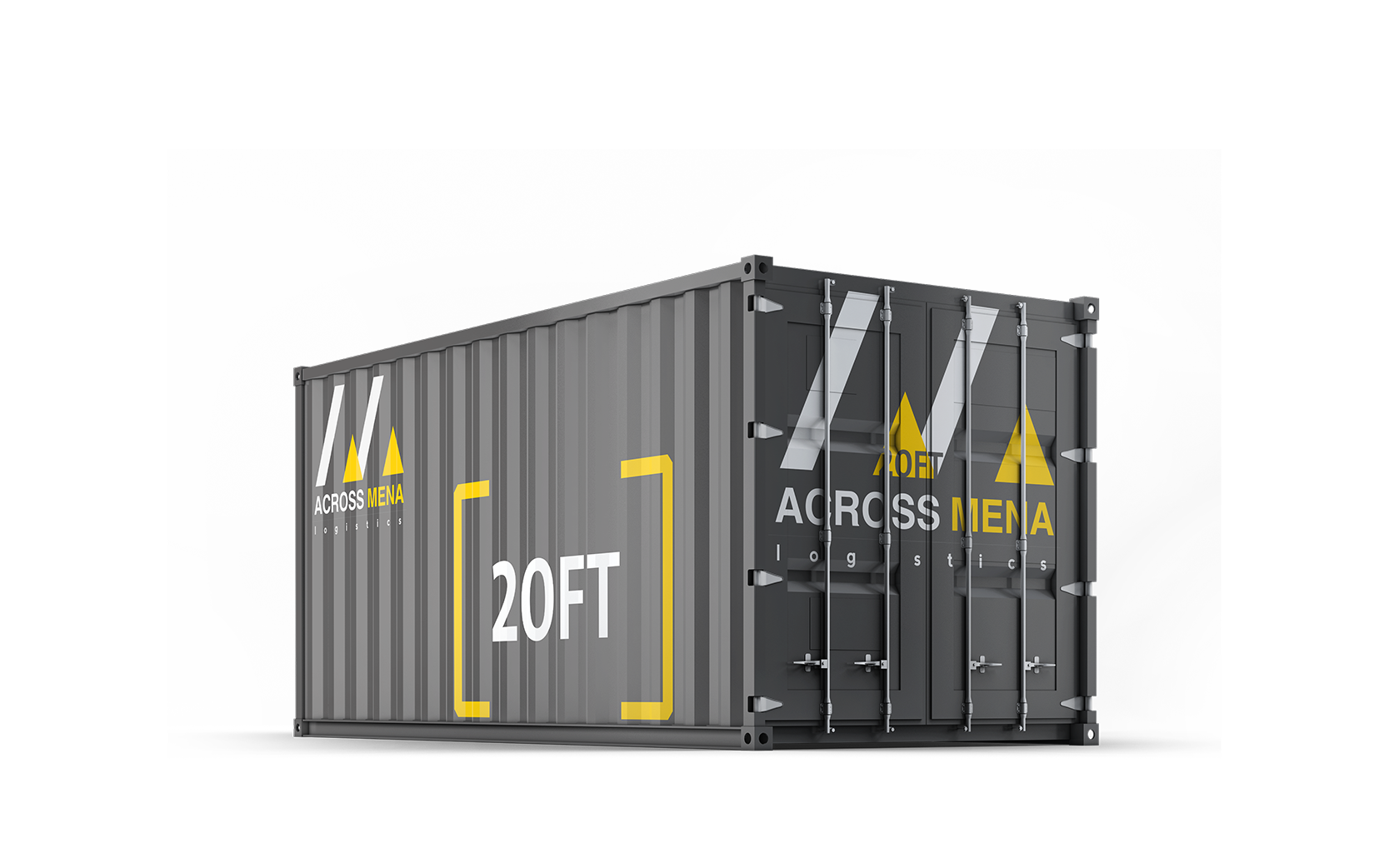
Length
- External
- 6,058 mm
- Internal
- 5,898 mm
- Door
- —
Width
- External
- 2,438 mm
- Internal
- 2,352 mm
- Door
- 2,340 mm
Height
- External
- 2,591 mm
- Internal
- 2,393 mm
- Door
- 2,280 mm
Capacity33.2 m³
| Dimension | External dimensions | Internal dimensions | Door Opening |
|---|---|---|---|
| Length | 6,058 mm | 5,898 mm | — |
| Width | 2,438 mm | 2,352 mm | 2,340 mm |
| Height | 2,591 mm | 2,393 mm | 2,280 mm |
| Capacity | 33.2 m³ | ||
The displayed dimensions are indicative and based on commonly used standard container measurements. Actual dimensions may vary slightly depending on the container type, manufacturer, or shipping line.

FAQ
Frequently Asked Questions — Container Types & Sizes
Clear answers about container types, sizes, and how to choose the right container for your shipment.
A shipping container is a standardised unit used to transport and protect cargo during loading, transit, and unloading. It can be transferred between vessels, trucks, and trains without unpacking its contents at each stage.
A 20-foot container is smaller and suits mid-size shipments, while a 40-foot container offers approximately double the internal volume. The choice depends on cargo volume, weight, and stacking method — not volume alone.
The standard 20-foot container has a theoretical internal volume of approximately 33 CBM (cubic metres). Actual usable capacity may be lower depending on cargo shape, packaging, and stacking method.
The standard 40-foot container has a theoretical internal volume of approximately 67 CBM. Practical usable volume may vary depending on cargo nature, packaging, and loading method.
A 40ft High Cube is approximately 30 cm taller than the standard 40ft (2.9 m vs. 2.6 m internal height), providing up to approximately 76 CBM of internal volume. It is suitable for cargo requiring additional height or volume.
A Reefer container is equipped with a temperature-control system and is used for cargo that requires refrigeration, freezing, or a specific temperature during transit — such as food, pharmaceuticals, and temperature-sensitive products.
Open Top: a container with an openable or tarpaulin-covered roof, used for cargo that cannot be loaded through the doors due to height or handling method. Flat Rack: a container with open or foldable sides, used for oversized machinery and equipment.
A standard Dry Container is the most commonly used container type for general cargo that is not temperature-sensitive, such as packaged goods, machinery, tools, and industrial products.
Container selection should be based on: cargo nature, dimensions and volume, weight, refrigeration requirements, loading and unloading method, and cargo-specific restrictions and carrier instructions. Do not select based on size alone.
FCL (Full Container Load): the entire container is dedicated to your shipment. LCL (Less than Container Load): your cargo is consolidated with other shipments and you pay only for your volume or weight. FCL suits large shipments; LCL reduces cost for smaller cargo.